I’m a software developer. Outside the work, I care for an older family member every day. I also run a handful of small projects of my own, on the margins. For a while that combination felt workable — just busy. The last few years it stopped feeling that way. The news cycle got faster and louder; the projects didn’t get smaller; the caregiving didn’t get easier; the burnout started blending into something harder to name.
Journaling helped. Not in the way self-help books describe it — not as a daily ritual with a prompt and a gratitude list. More like: I had things in my head that needed to get out of my head, and a blank page was a place to put them. The act of writing forced me to articulate what I actually thought, rather than the swirl of half-formed things that had been sitting there.
I also wanted something to respond. Not to fix it — just to notice a pattern I’d missed, offer an angle I hadn’t considered, ask a quiet question that sent me further into the entry rather than toward my phone. I tried a few things. A large language model in a browser tab, mostly. It worked. But it was context I had to manually rebuild every session, and I wanted something with a quieter voice and a longer memory for who I was.
The other apps didn’t quite fit
Most journaling apps are gamified in a way I couldn’t get past. The streak counter wasn’t a small detail; it was the organizing principle. It said: the point is to keep showing up, and we will engineer the shame of stopping to help you do that. But I didn’t want to show up because I was afraid to break a counter. I wanted to show up because something was worth writing down.
The ones with AI felt eager in a way that made me want to write less, not more. The AI introduced itself in the textarea before you’d typed a word. It offered prompts before you’d established what you thought. It was, in a low-grade way, talking at me before I’d asked it to. I wanted a tool that would wait.
The yew tree
The name came before the domain, before the code, before anything was properly started. I’d been thinking about the quality I wanted: old, steady, unhurried. Something with deep enough roots that it didn’t bend in every wind.
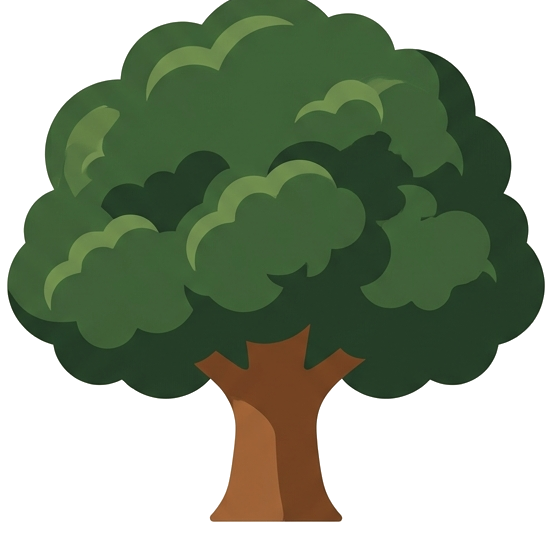
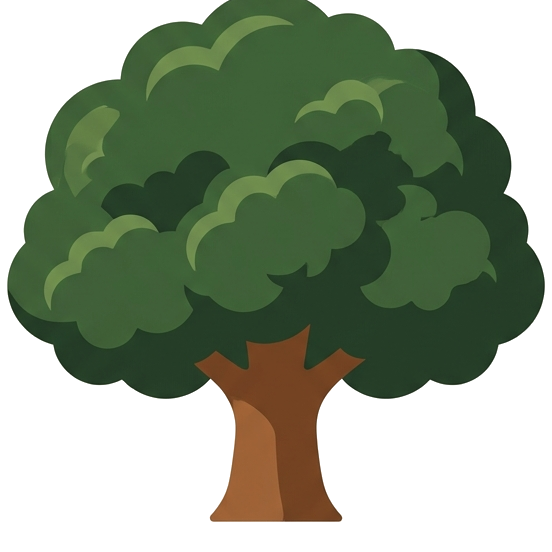
The yew tree fit. Yews are among the oldest living things in Britain — the Fortingall Yew in Scotland is somewhere between two and five thousand years old. They grow slowly, hold their shape, and outlast almost everything in the landscape. In Celtic tradition they’re associated with protection, continuity, and what endures. They shelter the things resting near them without asking anything in return.
That’s the image I’ve come back to: sitting under a large old yew tree, notebook on my knee, taking a moment that is genuinely mine — protected from the noise for long enough to hear myself think. No one demanding anything of the moment. The tree doesn’t have an opinion about how long I stay or whether I came yesterday.
The product was named for that image. Make your mark, at your own pace.
Why make it public
The easy version of this story ends with “so I built a private tool and use it every day.” That’s accurate — Yewmark started as something I used, and it still is.
The reason it became a public product is simpler than I expected: I don’t think I’m the only one who needs it. The specific shape of overwhelm I was navigating — the caregiver’s version, the developer’s version, the “I’m holding too many things at once and also I’m a person who has to function” version — has a lot of company right now.
AI models cost money. Hosting costs money. Making a tool that asks nothing of you is not free to run. So there’s a small subscription for the users who want more — more AI calls per day, a deeper model for the most demanding writing. The core is free. The free tier is genuinely usable, not hobbled. I wanted it to be the version I would have been glad to find.
That’s the whole story. No pivot, no VC, no growth deck. Just a blank page, a very old tree, and a slightly calmer afternoon than the one before it.